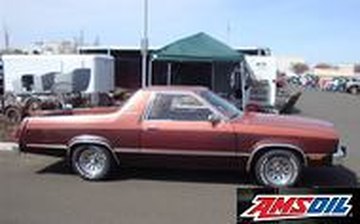
Engine Lubrication and Maintenance for the 1981 Mercury ZEPHYR 3.3L
Maintaining a vehicle from the early 1980s requires a proactive approach to fluid management and mechanical inspection. For the 1981 Mercury ZEPHYR equipped with the 3.3L engine, consistent attention to lubrication is a fundamental aspect of long-term ownership. Because older engines may exhibit different sealing characteristics than modern counterparts, understanding how to monitor and respond to changes in lubricant condition is essential for preserving engine health.
Monitoring Fluid Integrity and Potential Seepage
One of the most effective ways to manage an aging engine is through regular visual inspections of the lubrication system. Rather than waiting for a significant event, owners should periodically check for signs of fluid seepage or leakage around various engine components. This involves looking for wetness or dark staining on the engine block, oil pan, or near various gaskets and seals.
If you observe any evidence of weeping or active leaks, it is important to investigate the source. While a small amount of residue can sometimes be attributed to age-related changes in gasket materials, persistent seepage warrants closer inspection. Additionally, checking the condition of the oil filler cap and the drain plug area ensures that these primary sealing points are functioning correctly. Monitoring the level of the lubricant via the dipstick is also a vital habit; unexpected drops in fluid levels can indicate that the engine is consuming more oil than usual, which may be a sign of internal wear or external leakage.
Observing Changes in Lubricant Condition
The physical appearance and smell of your engine oil can provide useful clues regarding the engine's operating environment. When performing an oil check, take a moment to examine the color and texture of the fluid on the dipstick. While oil naturally darkens over time due to use, extremely thick or gritty textures may indicate contamination or excessive soot buildup.
Beyond visual cues, be mindful of any unusual odors that may arise during or after operation. A strong burning smell can sometimes be associated with oil contacting hot external surfaces, which might suggest a leak from an upper engine component. Furthermore, if you notice changes in how the engine sounds—such as increased mechanical noise during startup or while idling—it could be related to the lubrication state. However, because many different factors can cause changes in engine sound, these symptoms should be treated as prompts for a professional diagnostic inspection rather than definitive proof of a specific component failure.
Prioritizing Maintenance Based on Vehicle History
For owners of a 1981 Mercury ZEPHYR, the most effective maintenance strategy is often dictated by the available service history. If you have recently acquired this vehicle and do not have access to detailed records, your first priority should be establishing a baseline. This involves performing a comprehensive inspection of all fluids and filters to determine their current state.
When documentation is incomplete, it is wise to treat the vehicle as if maintenance might be overdue in certain areas. Once a baseline is established, you can transition from reactive repairs to a more organized preventive approach. Keeping a dedicated log of every oil change, filter replacement, and observed leak helps in identifying patterns. For example, noting whether an engine requires more frequent top-offs over several months can help distinguish between a minor, stable seepage and a developing issue that requires immediate attention.
Managing Aging Engine Components
As vehicles age, the materials used in various systems—such as rubber hoses or belts—can undergo changes in flexibility and durability. If your 1981 Mercury ZEPHYR is equipped with accessible drive belts, they should be inspected for signs of cracking, glazing, or fraying. Similarly, if the vehicle has visible cooling hoses, check them for any evidence of softening, hardening, or swelling.
It is also beneficial to inspect electrical connections and wiring harnesses for signs of corrosion or brittle insulation. While these are not directly part of the lubrication system, maintaining the overall integrity of the engine bay helps prevent secondary issues that can complicate mechanical repairs. By focusing on the current condition of these components rather than just the age of the vehicle, you can make more informed decisions about when to perform preventive maintenance versus when a component truly requires replacement.
The Role of Proper Lubrication in Engine Longevity
Engine oil performs several vital roles that are critical to the continued operation of the 3.3L engine. Beyond simply reducing friction between moving parts, the lubricant helps manage heat by carrying thermal energy away from high-temperature zones within the engine. It also serves as a medium for suspended contaminants, transporting them to the oil filter where they can be removed.
Maintaining clean and fresh oil is essential for preventing the buildup of deposits that can interfere with mechanical movement. Over time, used oil can undergo oxidation or become contaminated by combustion byproducts, which may lead to the formation of sludge. Regular service helps ensure that the lubricant retains its ability to protect internal surfaces and maintain consistent performance across various operating conditions.
Practical Guidance for Buying Engine Oil for your 1981 Mercury ZEPHYR 3.3L
When it is time to replenish your engine's lubrication, the most important step is to ensure the product you select matches the specific requirements of your application. Rather than relying on general assumptions about older vehicles, always refer to the vehicle-specific oil viscosity and application information provided on this webpage.
As you shop for products, keep the following practical tips in mind:
- Verify the Label: Always check the product packaging to ensure the SAE viscosity grade matches what is listed in your application data.
- Consider Formulations: Depending on your engine's current condition and mileage, you may encounter various options such as conventional oil, synthetic blends, or full synthetic oils. Some high-mileage formulations are specifically designed with additives intended for use in aging engines, including seal-conditioning agents.
- Check Certifications: Look for the appropriate API (American Petroleum Institute) service symbols on the bottle to ensure the oil meets modern quality and performance standards.
- Avoid Guesswork: Do not assume that a specific grade is better simply because of the vehicle's age or the climate you live in; always prioritize the information explicitly provided for your 1981 Mercury ZEPHYR 3.3L.